
Custom Production
Specify material, size, color, closure and logo finish for your application.
Bestsellers
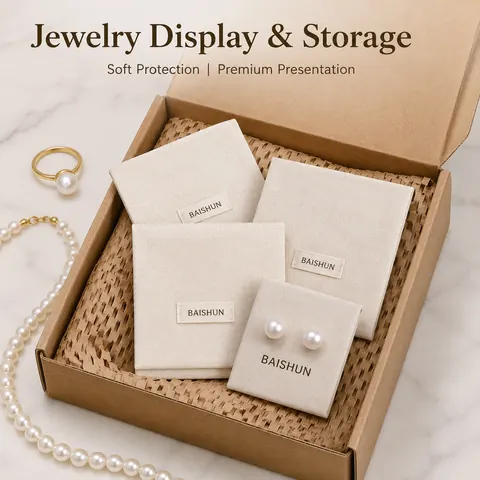
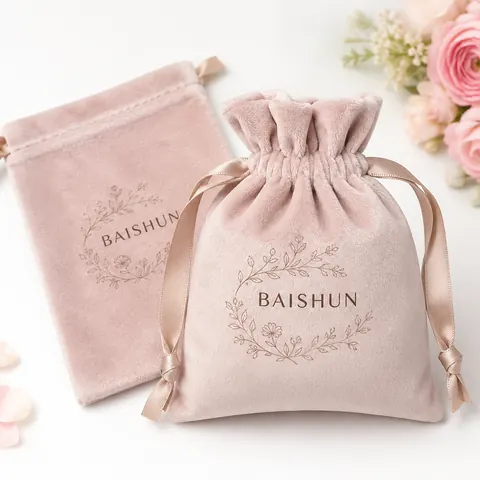
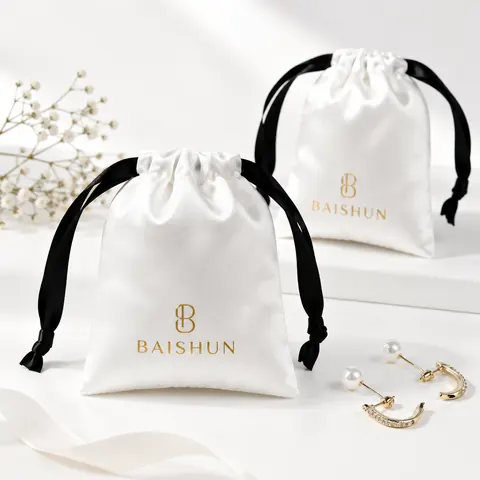
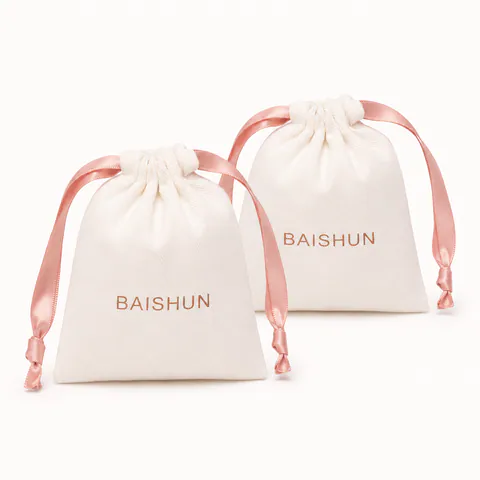
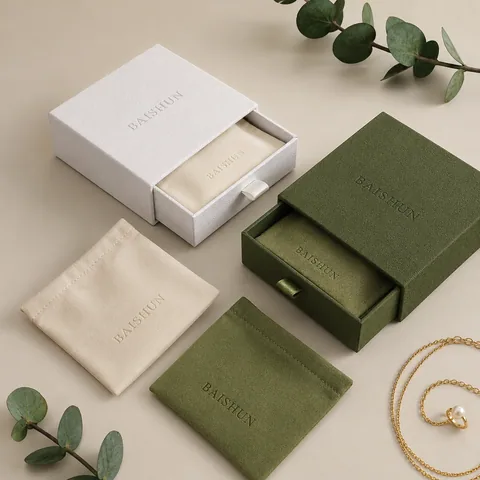
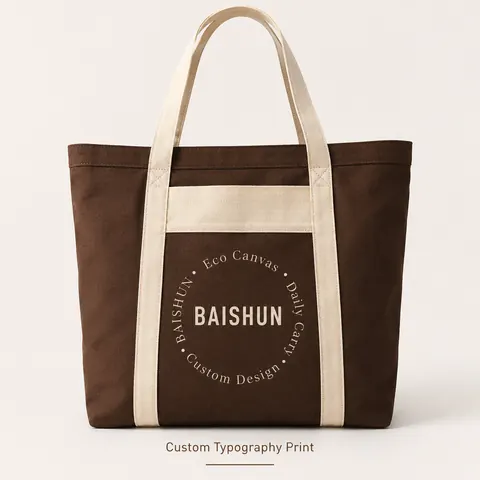
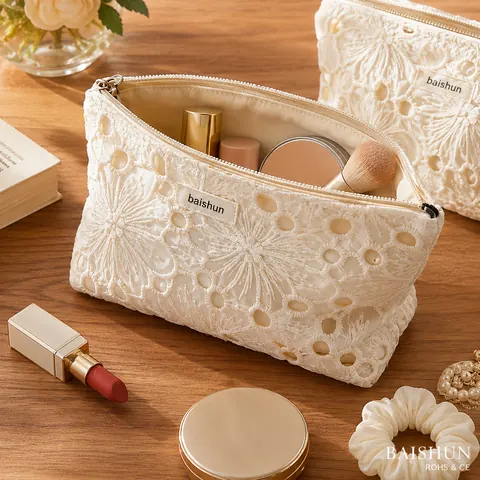
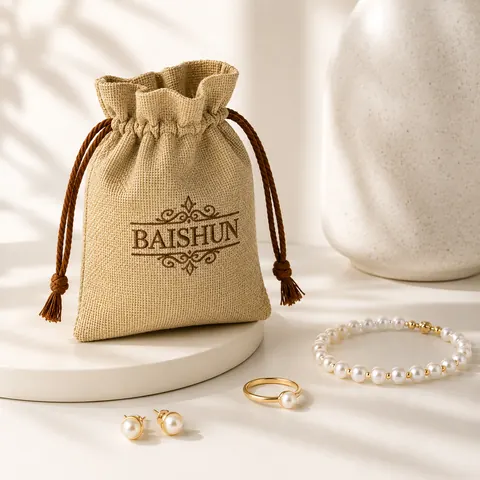
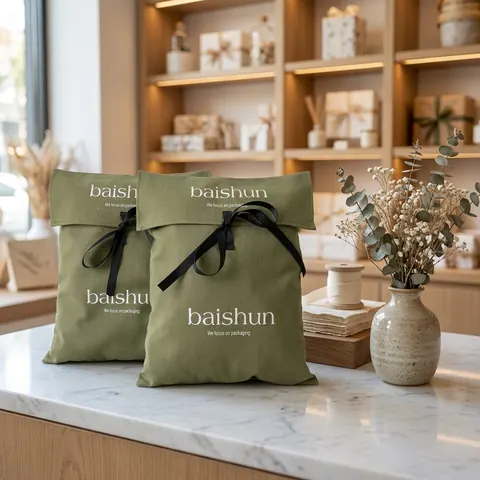
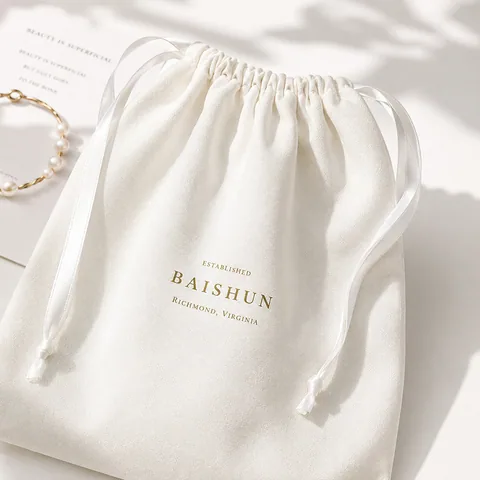
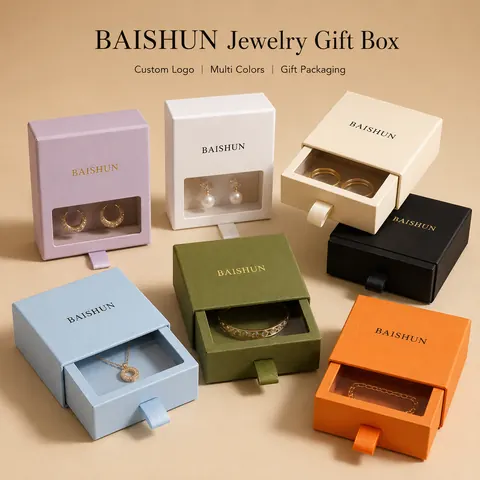
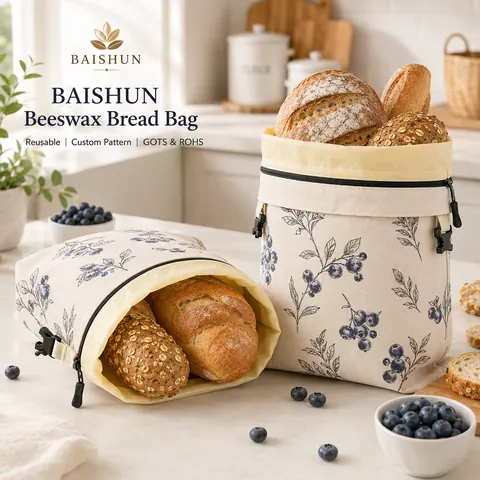
A selection of pouch and bag formats from the catalog — see the construction and finish before browsing by category.
Use the catalog as a starting point when discussing material, size and logo requirements.
Factory Direct
Develop custom pouch construction, materials, colors and logo finishes with the production team responsible for your order.
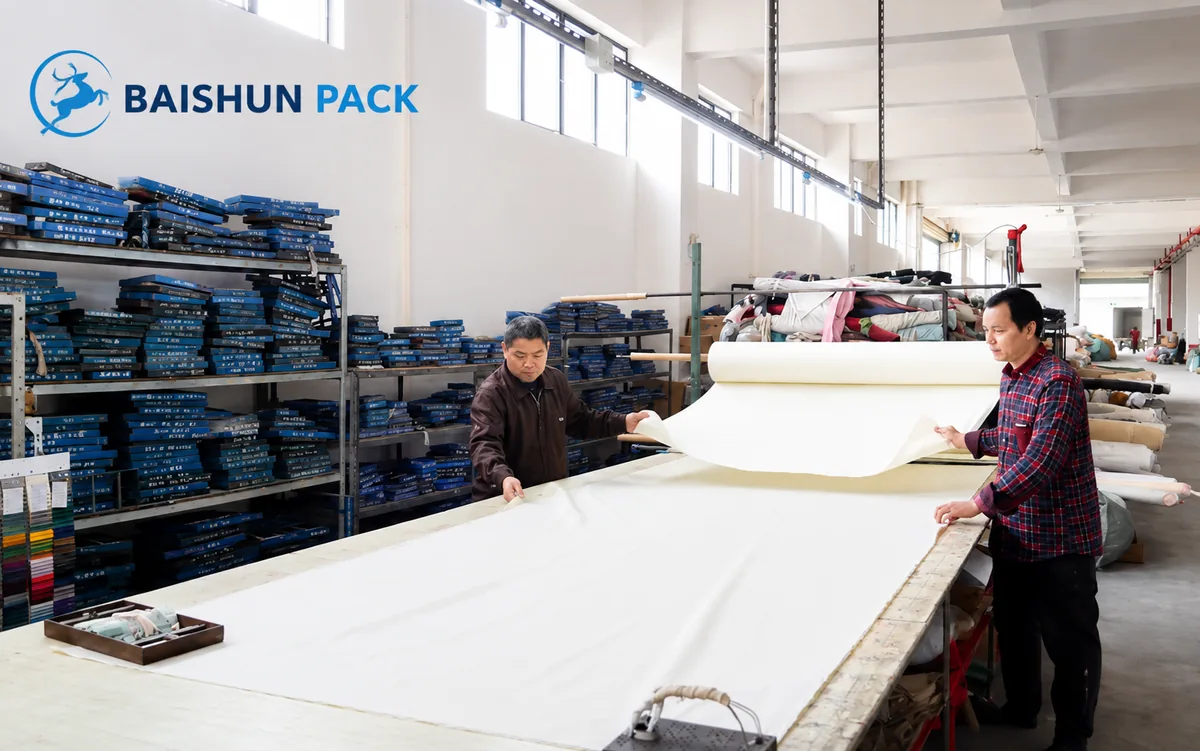
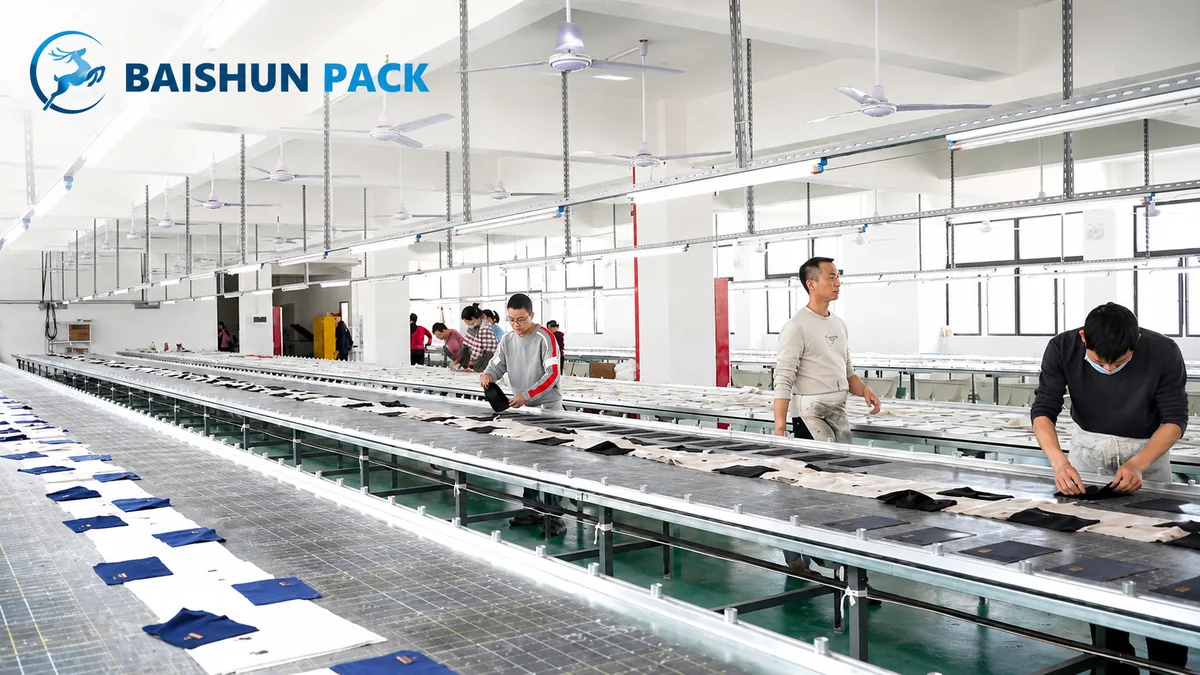
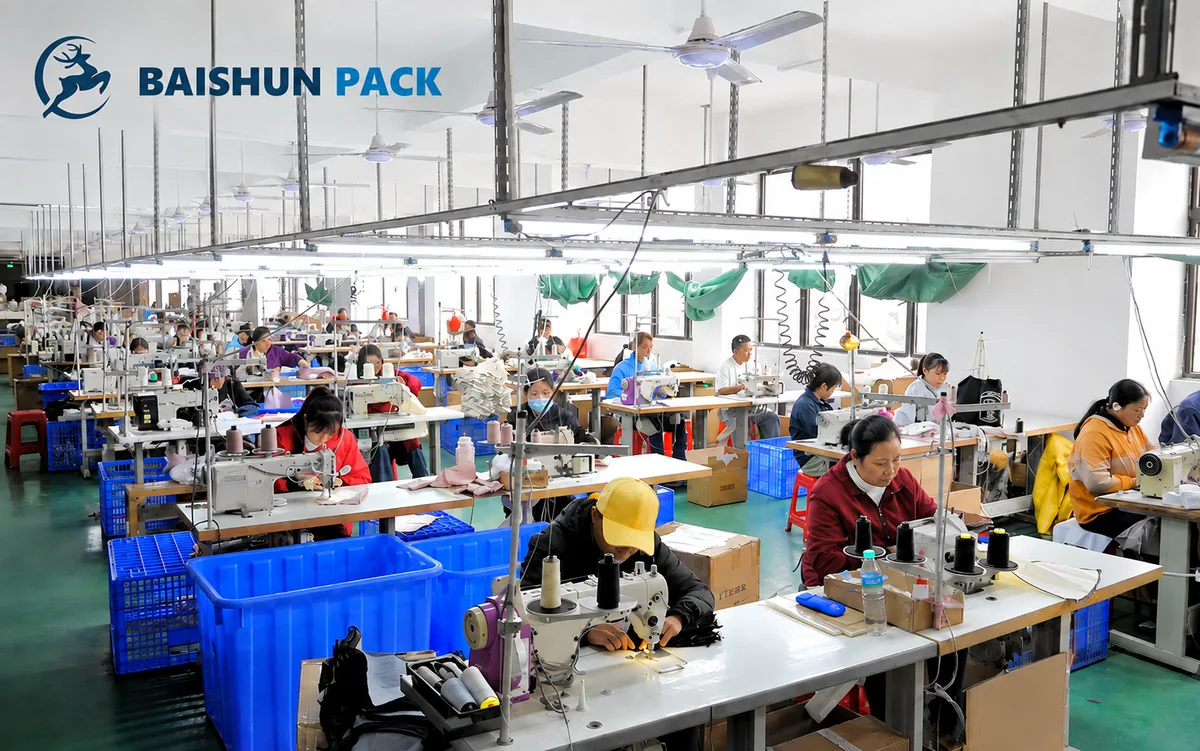
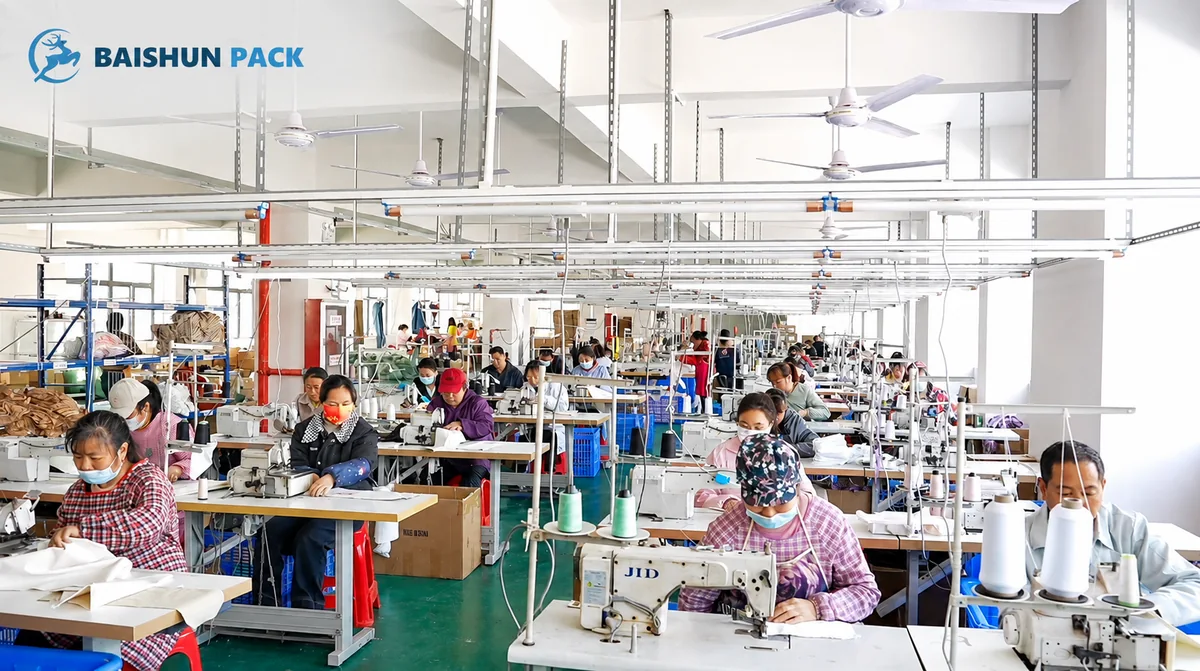
Ask our team to arrange a live walkthrough and confirm the production details relevant to your project —or watch the recorded floor walkthrough first.
Current public supplier profile
Baishun at a Glance
Specify material, size, color, closure and logo finish for your application.
Review physical construction and decoration before bulk production begins.
Confirm the inspection plan and acceptance points for each order.
Review current public supplier information before making a sourcing decision.
Product Families
Choose a starting format, then customize material, size, color, closure and branding.
Or start from a programme: custom drawstring bags with your logo, dust bags for handbags and shoes, custom jewelry pouches or low-MOQ runs for small brands.
Cotton Bags→Cotton & muslin drawstring bags for retail & promotion
Envelope Bags→Elegant flat pouches for gifts & accessories
Velvet Bags→Soft luxury packaging for jewelry & gifts
Jewelry Bags→Protective pouches for jewelry & small valuables
Linen Bags→Natural linen packaging for premium products
 Packaging Boxes→Custom rigid & gift packaging solutions
Satin Bags→Smooth premium pouches for beauty & gifts
Packaging Boxes→Custom rigid & gift packaging solutions
Satin Bags→Smooth premium pouches for beauty & gifts
 Tote Bags→Reusable branded bags for retail & promotion
 Zipper Bags→Practical zip pouches for storage & travel
 Microfiber Bags→Low-lint suede-feel pouches for fine jewelry & eyewear
 Dust Bags→Cotton dust bags for handbags, shoes & accessories
Bread Bags→Reusable fabric packaging for bakery & food brands
Dust Bags→Cotton dust bags for handbags, shoes & accessories
Bread Bags→Reusable fabric packaging for bakery & food brands
Materials & Decoration
Match the fabric handfeel and logo method to the way customers will handle and remember your product.
Best for: Jewelry, Watches, Gift Pouches
Soft-touch pile with real depth of colour. Foil stamping and debossing both hold well —check the smallest element of your artwork on a stamped sample, because very fine line work can sink into the pile.
Best for: Fine Jewelry, Eyewear, Electronics
High-density, low-lint and friction-free against polished metal and stones. The usual choice where the fabric sits in constant contact with the piece and must not catch on a prong setting.
Best for: Retail, Promotional, Reusable Bags
Carries load and holds structure, and takes screen print and embroidery cleanly —this is the range where branding is most visible. Confirm the usable print area before finalising artwork; it is smaller than the panel.
Best for: Bakery, Gifting, Natural-Look Retail
Visible weave and an understated, natural finish. Embroidery and woven labels work with that texture better than fine screen printing, which breaks up on an open weave.
Best for: Hair & Wig, Lingerie, Beauty
Friction-free face that will not snag the contents, in high-gloss or matte. Matte holds up better where a pouch is handled repeatedly on a shelf; gloss shows handling marks more readily.
Best for: Wedding Favors, Candles, Samples
Sheer and light, so the product reads through the pouch —the reason it suits favours and sample sizes. Wide colour range; approve the shade against a physical swatch rather than on screen.
Six of the eight fabrics in regular production. Foil stamping, silk screen, heat transfer, embroidery, debossing and woven labels are all available —which one suits your artwork depends on the fabric you pick here.
Explore Custom OptionsYour Logo, Applied
The fabric decides which decoration methods are open to you. These six run in-house —pick the one that matches your artwork, not the one that sounds most premium.
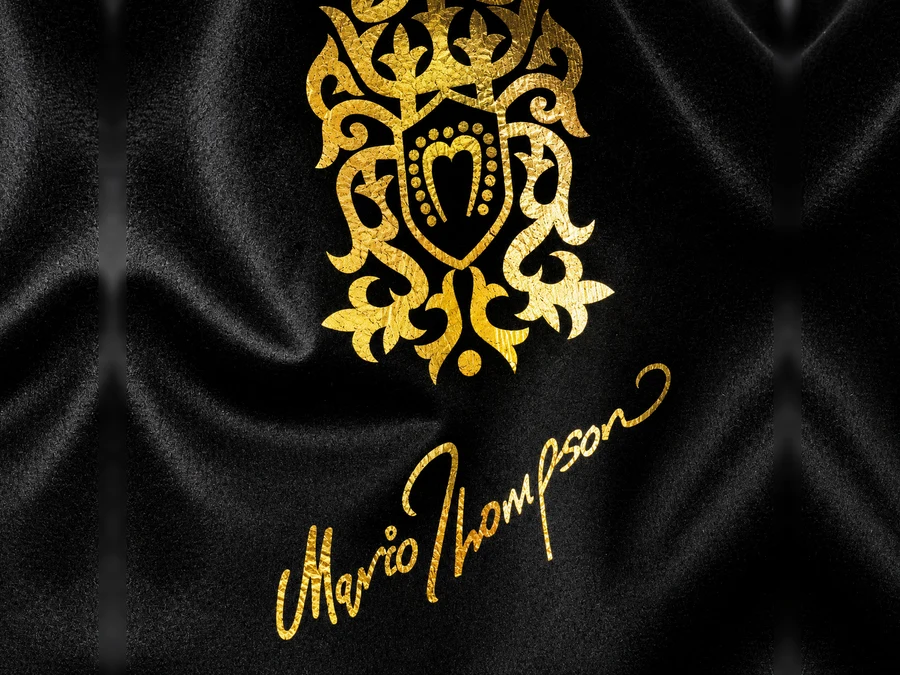
Best on: Velvet · Suede · Satin
Gold, silver or coloured foil pressed into the pile. The signature jewelry-packaging finish —crisp, reflective, and it reads as expensive across a room. Very fine line work can sink into a deep pile, so approve the smallest element of your mark on a stamped sample rather than on screen.
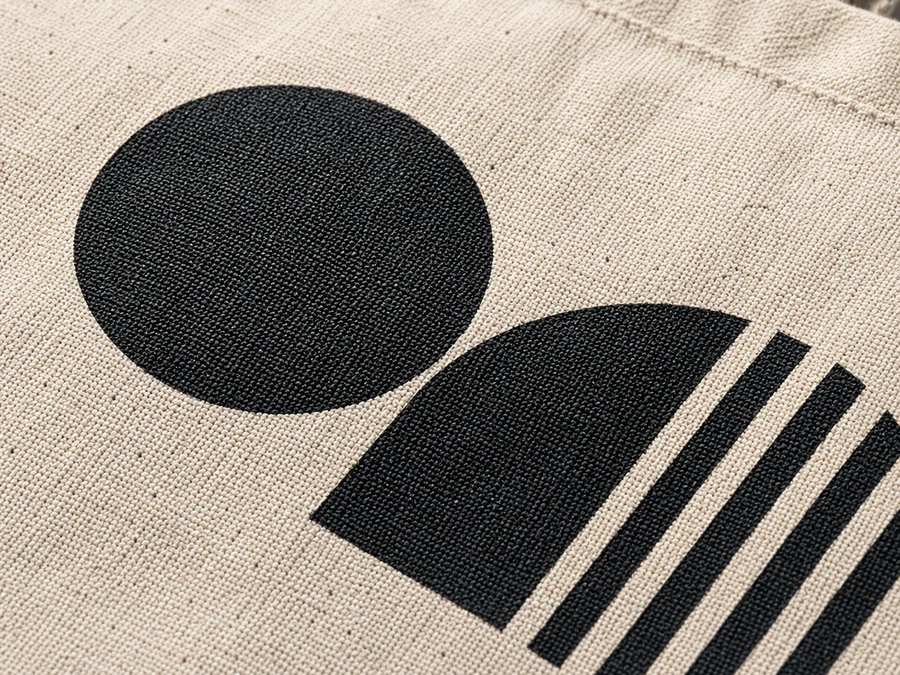
Best on: Cotton · Canvas · Twill
Spot-colour printing with solid, opaque coverage —the lowest unit cost once the screens exist, which makes it the default for larger runs in one or two colours. The usable print area is smaller than the panel; confirm it before you finalise artwork.
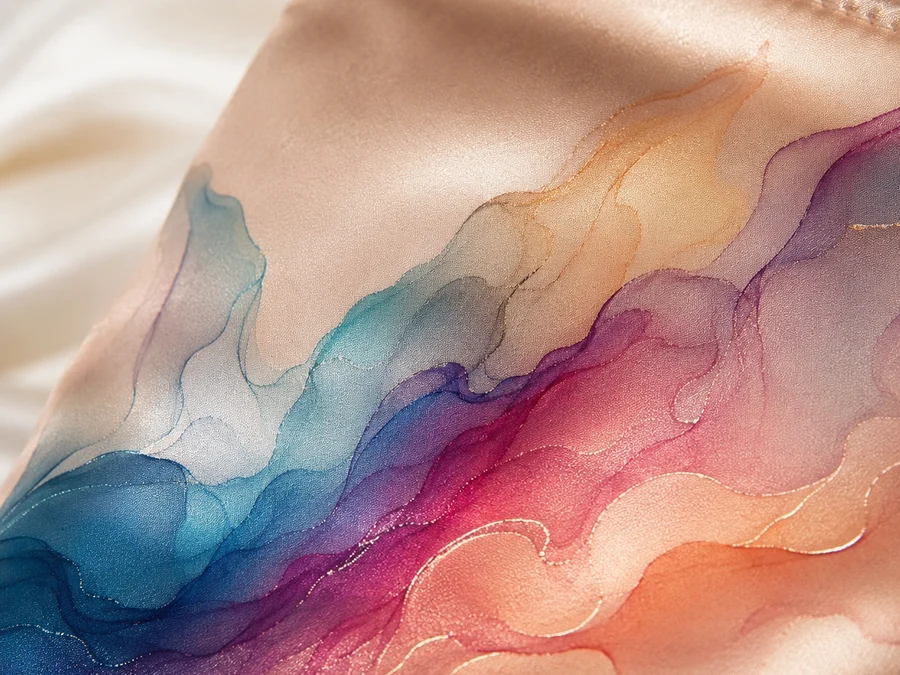
Best on: Satin · Microfiber · Coated fabrics
Handles gradients, multi-colour marks and photographic artwork that screen printing cannot reproduce, with no screen set-up per colour —which is why it usually wins on small and medium runs.
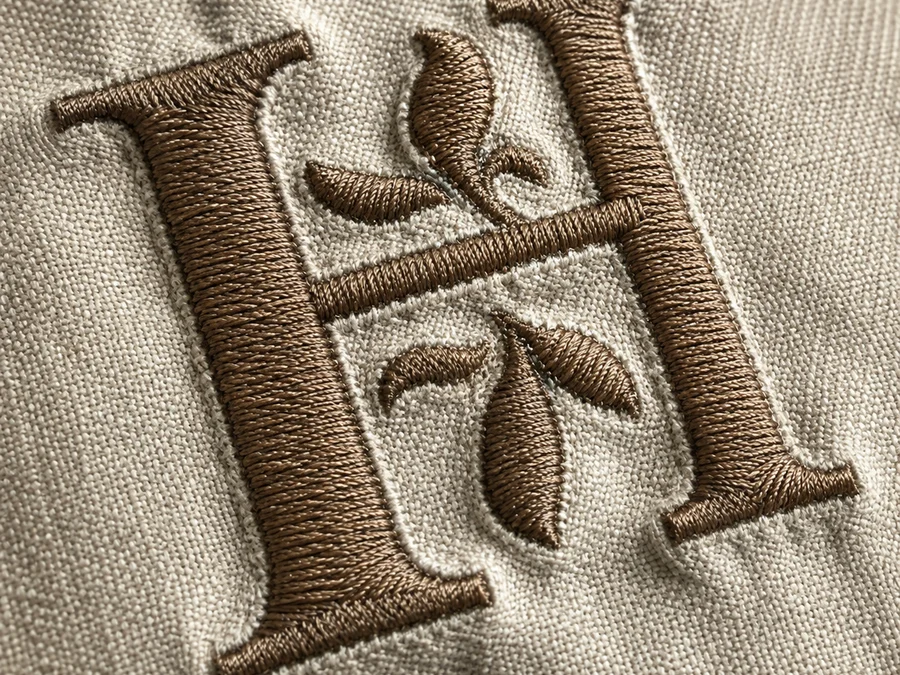
Best on: Cotton canvas · Linen · Heavy twill
Stitched thread gives the logo physical relief you can feel through the fabric —durable, and it survives washing better than any print. Thin typefaces and small lettering close up as the stitches pull together, so a mark often needs to be simplified or set larger.
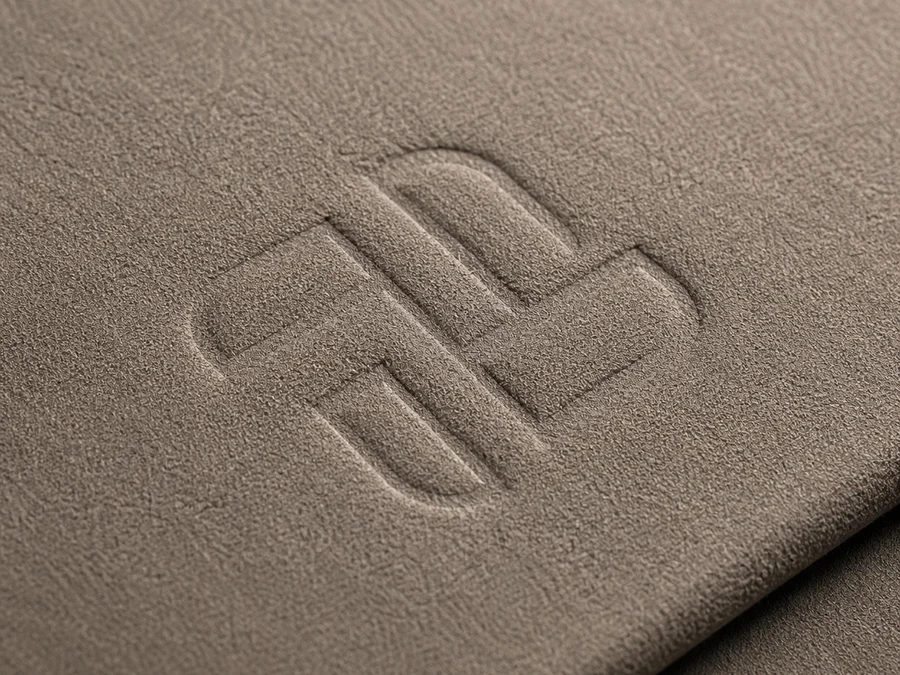
Best on: Microfiber suede · Leather trims
The mark is pressed in with no ink and no foil, so it reads only as texture and shadow. Understated by nature —the right call when the brand is confident enough not to shout, and the wrong one if the logo has to be legible at a distance.
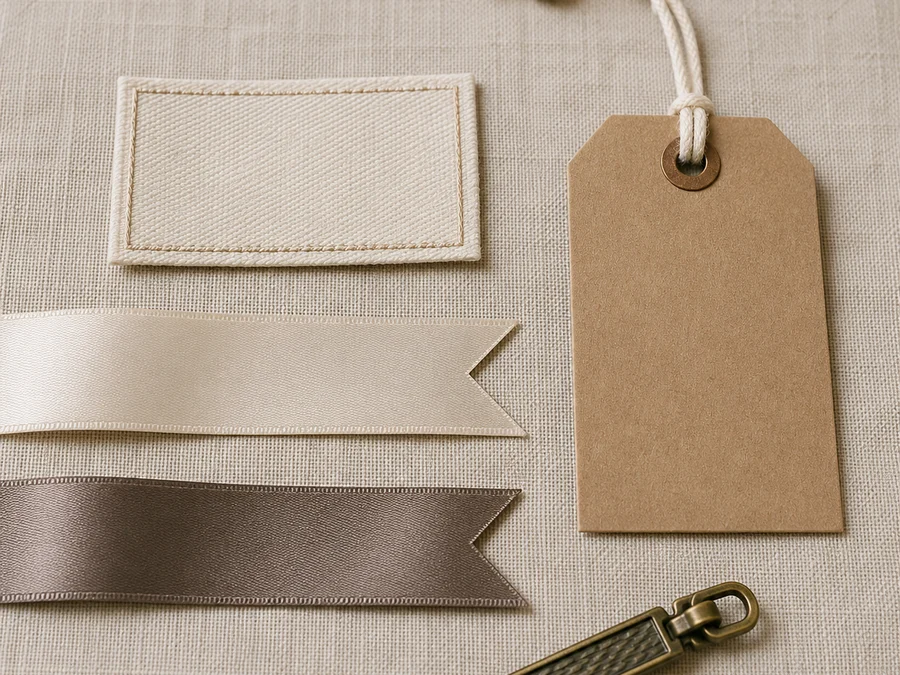
Best on: Any fabric —added, not applied
Woven brand labels, printed hang tags, satin ribbons, custom zipper pulls and branded cartons. Not a decoration method so much as everything around it —this is where a pouch stops looking like stock packaging.
Not sure which method your artwork suits? Send the file with the fabric you have in mind and the team will come back with a recommendation, a proposed construction and a tiered quotation. Vector artwork (AI, EPS, PDF, SVG) reviews fastest; high-resolution raster files can also be assessed.
Custom Projects
A sample of finished projects across construction, fabric and decoration. Specifications shown, not client names —every build here starts from a brief like yours.
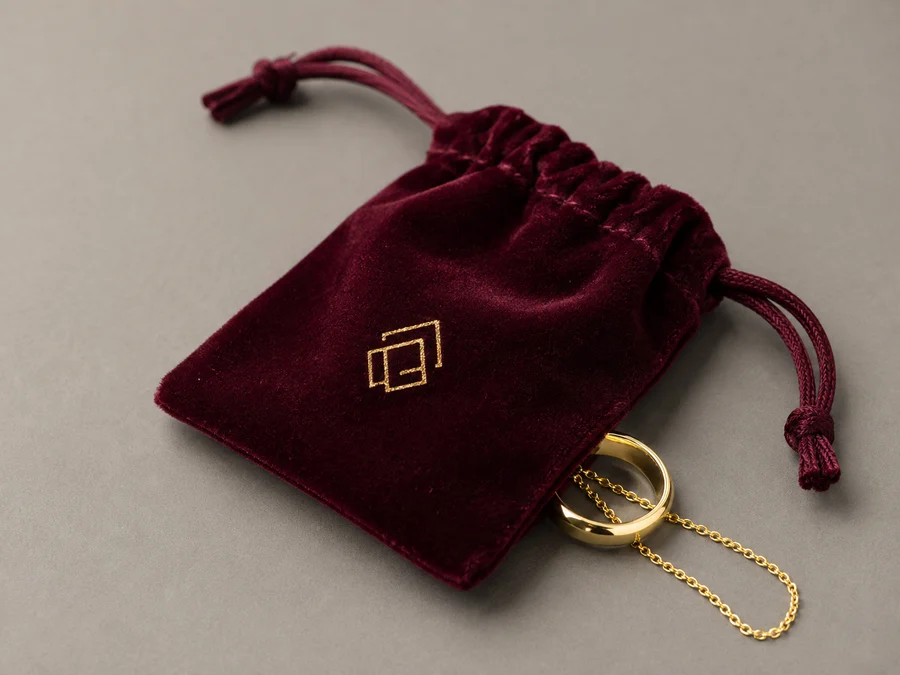
Velvet · Gold Foil · 8×10cmJewelry & Watches
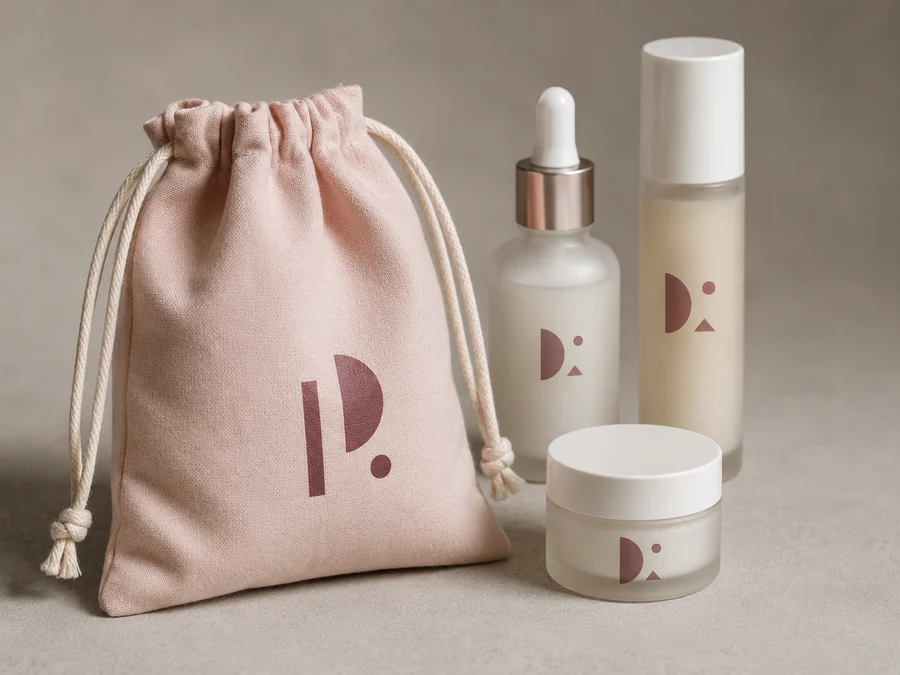
Cotton · Silk Screen · 12×16cmBeauty & Cosmetics
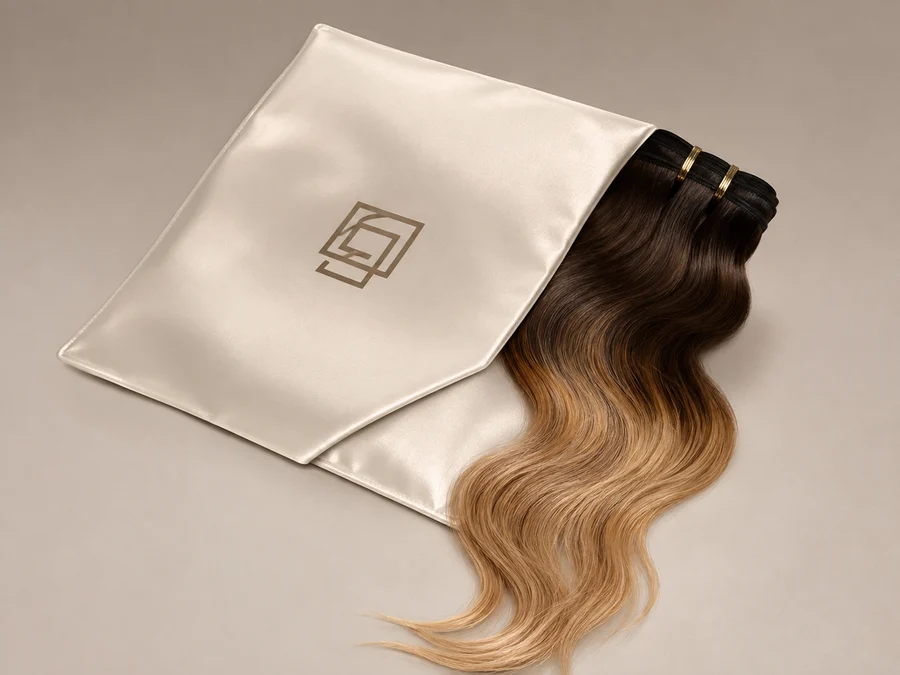
Satin · Heat Transfer · 25×35cmHair & Wigs
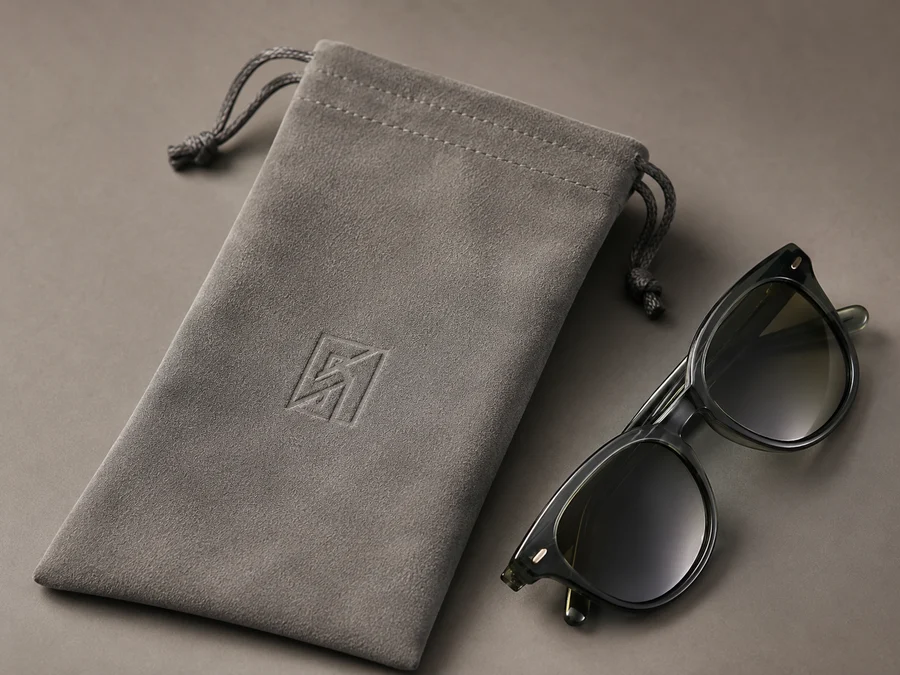
Microfiber · Deboss · 9×17cmEyewear & Accessories
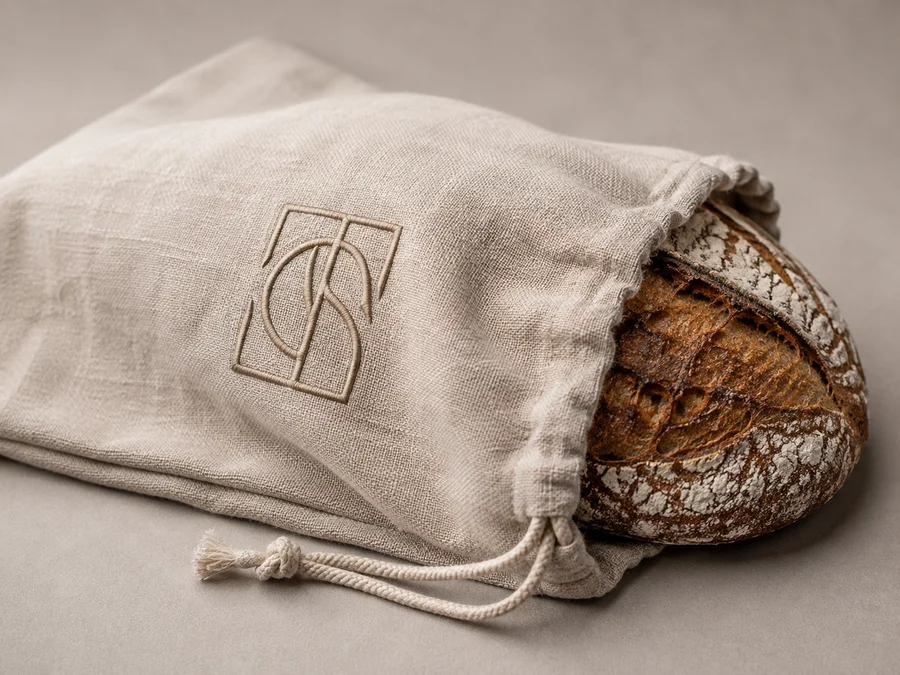
Linen · Embroidery · 20×30cmBakery & Food
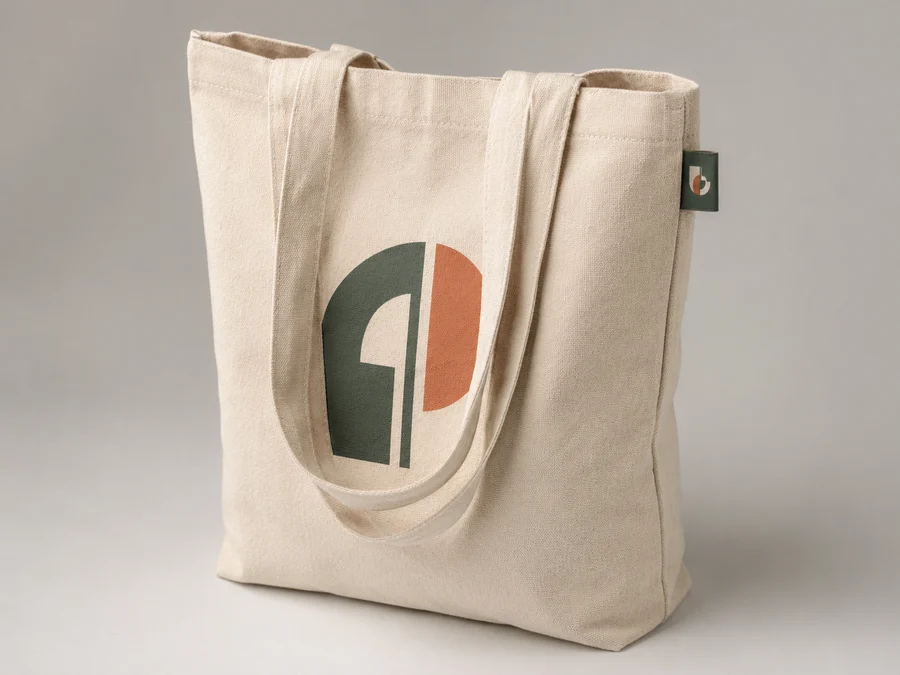
Canvas · Screen Print + Woven LabelRetail & Promotional
Factory-Direct Sourcing
Quote Planning
Choose one approved category and optionally share your planned quantity. Price, MOQ, sampling, and timing are confirmed for the specific SKU/specification.
Quality & Documentation
Quality is a set of agreements, not a promise. These are the points where something is actually verified —decide which ones matter for your programme and write them into the order contract before production starts.
Step 01 · Before production
Material, finished dimensions, construction and logo placement are signed off on a physical sample rather than from artwork. Everything after this is checked against that sample.
Step 02 · Before cutting
Fabric lots are identified and logged, then checked for weight, colour and visible defects before anything is cut. This is the cheapest point to catch a wrong fabric or an off colour.
Step 03 · During production
Print position, stitching and dimensions are checked stage by stage as the order moves through cutting, printing and sewing, with photo updates as it goes.
Step 04 · Before packing
Every finished unit is inspected before packing, against the approved pre-production sample — not a sample pulled from the lot.
Step 05 · Before shipment
Packing method, carton marks and the paperwork your route actually needs — agreed before the shipment leaves rather than chased afterwards.
Step 06 · Any stage
Book SGS, TÜV, Intertek or your own auditor at any stage. Agree the inspection standard and the acceptance criteria in writing before production starts.
How It Works
Share the product, dimensions, material, quantity, artwork and target delivery date. No finished artwork yet? A reference photo and your product dimensions are enough to open the conversation.
The team comes back with a proposed construction, a decoration method suited to your fabric and a tiered quotation —so you can compare options before spending anything on sampling.
Confirm the sampling plan for the selected SKU and approve the physical result before bulk production.
Confirm production, inspection, packing and the shipping route for your destination.
Procurement Knowledge
Clear specifications make material selection, quoting and approval faster.
MOQ is confirmed for the selected SKU, construction, material, decoration and project quantity.
Sampling timing is confirmed after the material, size, color and artwork requirements are reviewed.
Vector AI, EPS, PDF or SVG artwork is preferred. High-resolution files can also be reviewed for suitability.
Lead time is confirmed for each project after specifications, quantity, sample approval and production availability are checked.
Ask for the available EXW, FOB or door-to-door options for your destination and order size.
Request the current documents relevant to your material, market and project before ordering.
Packaging Planning
Use these practical checks to turn a product idea into a clearer pouch brief before requesting a quote or sample.
Describe what will sit inside the pouch, especially polished metal, lenses, stones or coated items. This helps narrow down the material and lining discussion.
Compare pouch materialsShare the artwork, logo size and preferred placement with the product dimensions. The production team can then discuss suitable finishing options for your design.
Review logo methodsPrepare the intended size, material, use case and logo requirements so that any sample or quotation conversation starts from the same project details.
Use the size guideBuyer Resources
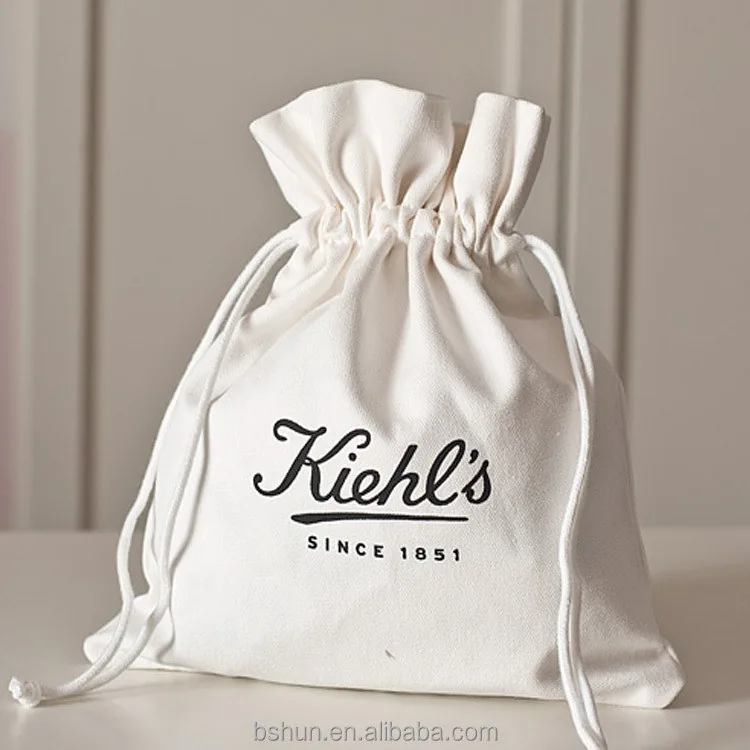
Compare structure, appearance and sourcing considerations before choosing a base material.
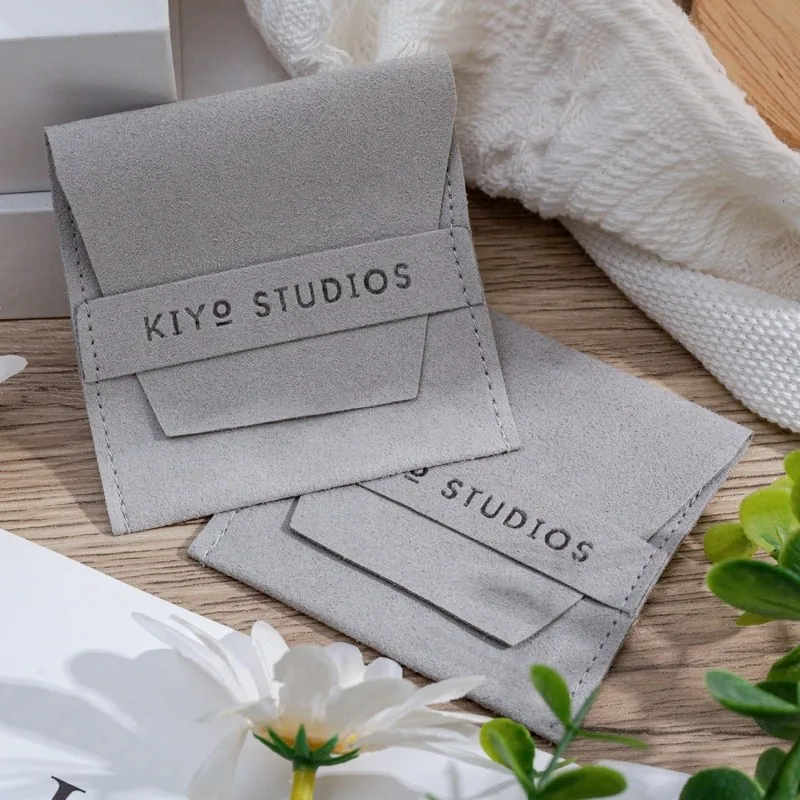
Review how common logo methods differ before approving artwork and sampling.
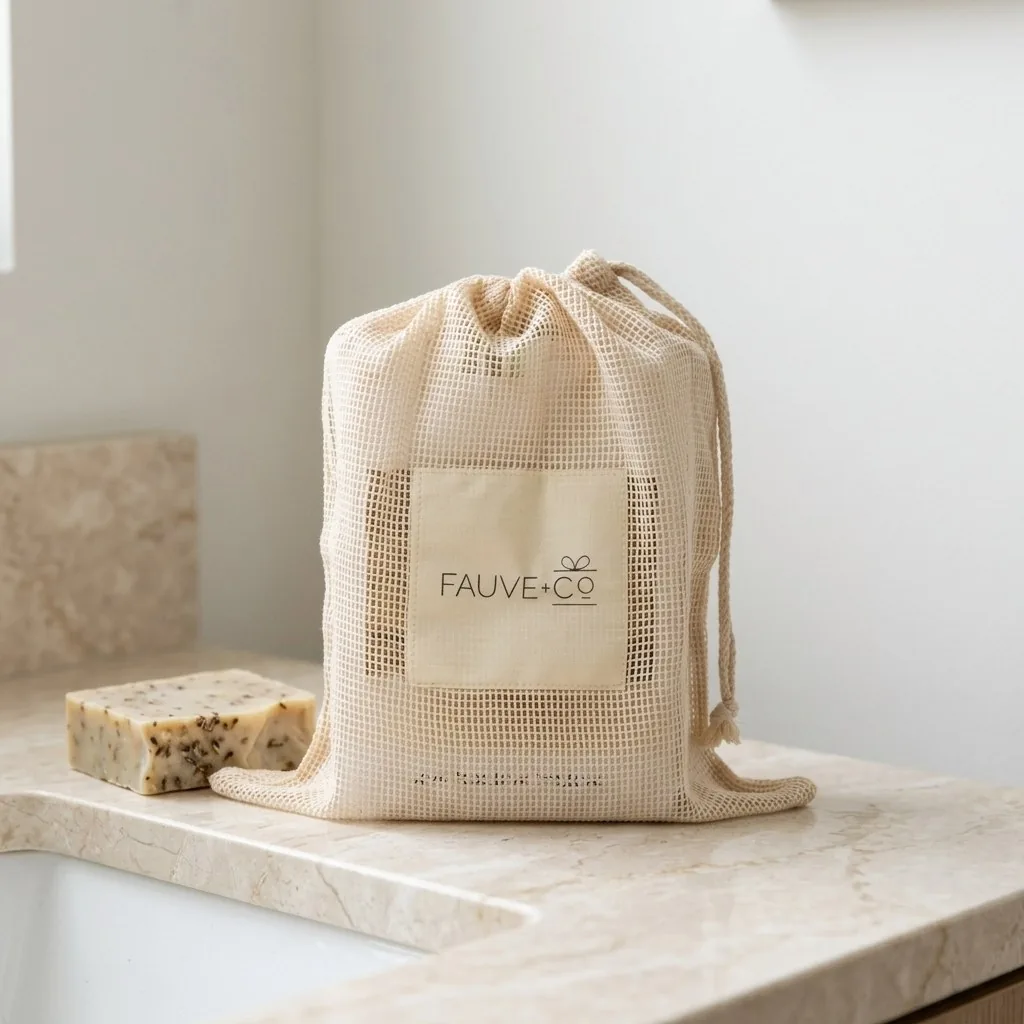
Build a checklist for the destination market and request the documents relevant to your project.
Start Your Project
Tell us the product, material, dimensions, quantity and logo finish. We will use those details to discuss construction, sampling and pricing.


